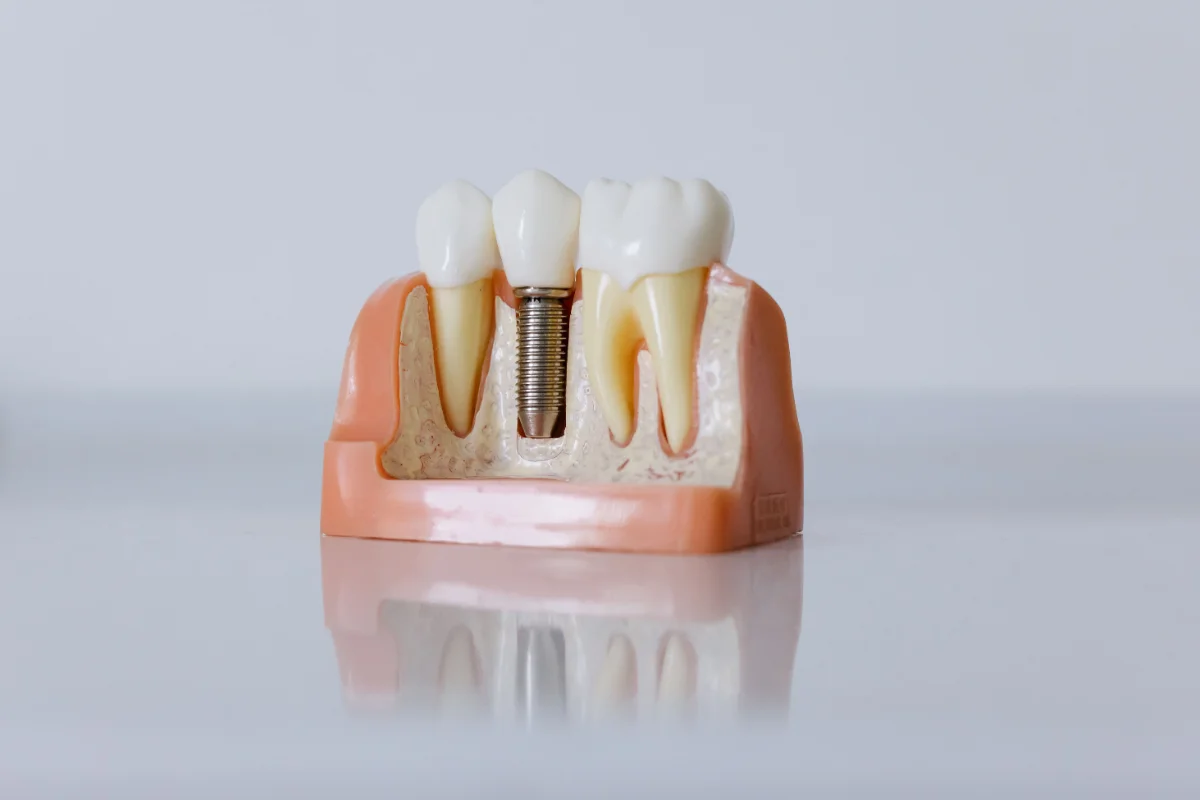
Dental implant treatment usually involves an initial consultation, treatment planning, implant placement, a healing period, and attachment of the final replacement tooth. Dental implants in Red Deer can replace missing teeth, but the exact sequence depends on bone volume, gum health, medical history, and the position of the gap. Not every case requires the same stages.
Understanding the process in advance can help you prepare for the appointments and healing periods involved. A consultation is also an opportunity to consider an implant-supported tooth alongside other replacement options before deciding which approach best fits your oral health. The sequence varies by site and individual healing.
Step 1: Consultation and Oral Health Assessment
The process begins with a review of your dental and medical history. The dentist examines the gums, remaining teeth, bite, and the area where the missing tooth is. Dental images may be taken when clinically indicated to assess the bone and surrounding structures.
This stage helps determine whether an implant is suitable and whether any concerns need to be addressed first. Active gum disease, limited bone, certain health conditions, and smoking can affect planning and healing.
Step 2: Treatment Planning
Once the site has been assessed, a dentist near you can discuss the proposed sequence. The plan may cover the number of implants, the type of restoration, whether extraction or bone grafting is needed, and the expected follow-up stages.
If a tooth needs to be removed, extraction may occur before implant placement. In some cases, grafting may be recommended to increase available bone. Bone grafting is not required for every implant, and timing depends on the condition of the area.
Step 3: Implant Placement
During implant placement, the implant post is positioned in the jawbone to serve as an artificial root. The procedure is planned around the available bone and the position needed for the final tooth. The details depend on the individual site and the chosen approach.
In selected cases, consider a temporary tooth or staged restoration. Whether this is suitable depends on implant stability and the treatment plan. Do not assume that every implant can support a tooth immediately.
Step 4: Healing and Osseointegration
After placement, the implant site needs time to heal. Osseointegration is the process in which bone bonds with the implant surface. This creates the support needed for the final restoration, but it does not happen instantly.
Early gum healing is different from the longer process of bone integration. The dentist will assess healing and implant stability before moving to the restoration stage. The timing varies with bone quality, implant location, grafting, general health, and other individual factors.
Step 5: Abutment and Final Crown
Once the implant is stable, the dentist may attach an abutment to connect the implant to the final crown. The crown restores the visible portion of the tooth and supports chewing function. The dentist checks its shape, fit, and bite before finalizing the restoration.
A dentist in Red Deer can explain how the abutment connects the implant to the final crown and whether the gum tissue needs additional time to settle. The dentist checks the restoration for fit, appearance, and bite contacts before completing it.
Step 6: Follow-up and Long-Term Care
After the crown is placed, regular dental visits help monitor the implant, gums, bite, and restoration. Daily brushing and interdental cleaning are still important. An implant cannot develop tooth decay, but the surrounding tissues can become inflamed if plaque accumulates.
Report discomfort, swelling, movement, or changes in the way the crown meets the opposing teeth. Follow-up helps identify concerns and maintain implant-site health.
What Should You Discuss Before Implant Placement?
A consultation for dental implants near you should cover the expected stages, the condition of the bone and gums, whether additional preparation is needed, and how to maintain the final crown. The discussion should also include suitable alternatives so that the decision reflects your full oral health needs.
What Care Does an Implant Need After the Crown is Placed?
Once the final crown is in place, the implant still needs routine care. Brush around the crown and gumline, clean between teeth with the method recommended for the restoration, and attend examinations so the dentist can assess the surrounding tissues. Plaque can cause inflammation around an implant even though the implant itself cannot develop tooth decay.
Report bleeding, persistent tenderness, swelling, a change in the bite, or movement in the crown or implant. An early review can help determine whether the concern involves the gum tissue, the restoration, or another part of the bite. Long-term maintenance remains important after replacing the visible tooth.
How Do Other Tooth-replacement Options Fit into Planning?
An implant is not the only way to replace a missing tooth. A bridge may use neighbouring teeth for support, while a removable partial denture can replace one or more missing teeth and can be removed for cleaning. The condition of the adjacent teeth, available bone, gum health, and personal preferences all influence the comparison.
A consultation should cover the benefits and limitations of each suitable option, including how it will be cleaned and monitored. The aim is to choose a restoration that meets functional needs while accounting for the health of the remaining teeth and supporting tissues.
Understand the Process Before You Decide
Implant treatment is a series of planned stages, and the timing depends on oral health and site healing. Schedule a consultation with Gaetz Dental to discuss missing teeth, implant suitability, and the stages that may be part of your treatment plan. Understanding the sequence can make preparation and follow-up easier.
FAQs
What are the steps of the dental implant process?
The process often includes consultation and assessment, treatment planning, any required extraction or grafting, implant placement, healing and bone integration, abutment placement, and the final crown. Some stages may be combined or omitted depending on the site’s condition.
How long does the whole implant process take?
The timeline varies with bone quality, gum health, implant stability, grafting needs, and whether placement and restoration occur in stages. Some cases take longer because they need more healing time. A dentist can estimate the timeline after examining the area and reviewing the plan.
Is getting a dental implant painful?
The procedure is planned with appropriate anesthesia, but experiences vary. Some tenderness, swelling, or bruising may occur afterward. Follow the instructions provided for your procedure during recovery and contact the clinic if pain worsens, swelling increases, or symptoms concern you.
Am I a good candidate for dental implants?
Suitability depends on bone volume, gum health, general health, smoking, bite forces, and the location of the missing tooth. Some concerns can be addressed before implant placement, while others may make a different replacement option more appropriate. An assessment is needed to decide.