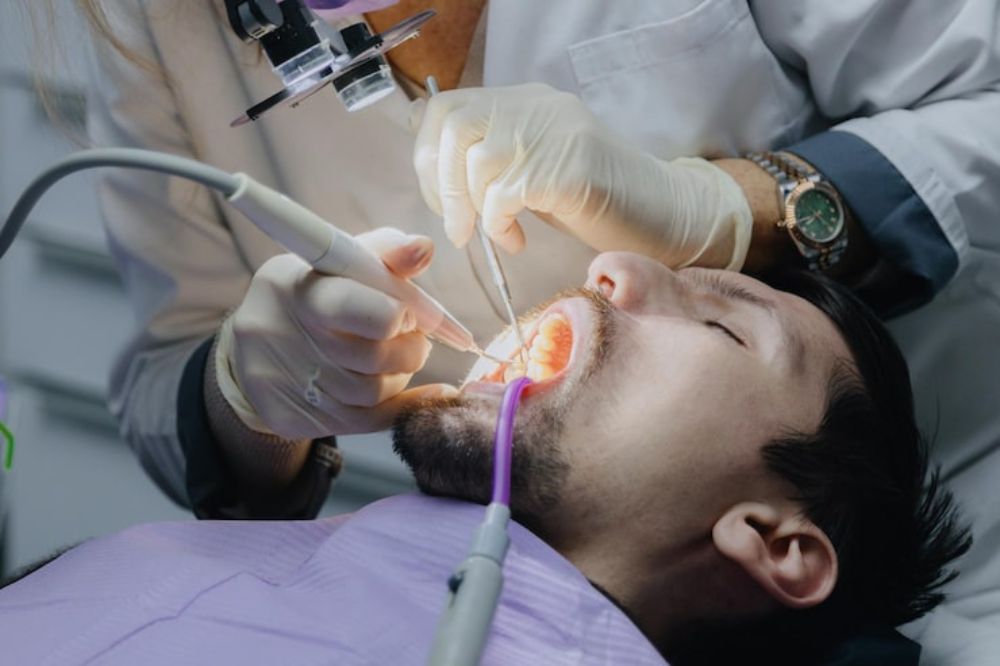
If you are dealing with a persistent toothache or sudden sensitivity, you might feel nervous about what comes next. Many people worry when they hear they might need root canal therapy in Red Deer, but there is actually no reason to fear. Modern dentistry has changed the way we treat infected teeth. Instead of being a painful ordeal, this common procedure is designed to relieve your discomfort and preserve your natural smile.
Understanding how this treatment works can help you feel much more relaxed. When a tooth becomes badly decayed or injured, the soft tissue inside—called the pulp—can get infected. Without help from a dentist in Red Deer, this infection can spread, causing swelling and even bone loss. Choosing therapy early is the best way to keep your Tooth healthy and avoid an extraction.
Why You Might Need Root Canal Treatment
It is not always obvious when a tooth is in trouble, but your body usually sends a few warning signs. If you notice any of the following, it is time to visit a dental clinic near you for an exam:
- Severe Pain: A sharp ache when you bite down or apply pressure.
- Temperature Sensitivity: Lingering pain after drinking hot coffee or cold water.
- Gum Changes: Swelling, redness, or a small bump on the gums near the Tooth.
- Discolouration: A tooth that looks darker or grey compared to the others.
How Modern Technology Makes it Painless
Years ago, dental visits were more intimidating. Today, the process for root canal therapy near you is very similar to getting a standard filling. Our goal is to ensure you feel nothing but relief. We use local freezing to numb the area completely. Most patients are surprised to find that the procedure is quiet, efficient, and entirely comfortable.
Comparing Root Canals vs. Tooth Extractions
Many people ask if it is easier to pull the Tooth. While an extraction seems quick, keeping your natural Tooth is always the better choice for your long-term health.
| Feature | Root Canal Therapy | Tooth Extraction |
| Natural Tooth | You keep your original tooth | The tooth is removed |
| Recovery Time | Very fast (1-2 days) | Longer healing for the socket |
| Future Costs | Low (no bridge needed) | High (requires an implant) |
| Bite Alignment | Stays perfect | Teeth may shift over time |
Step-by-Step: What Happens During the Visit?
Knowing the steps can take the mystery out of the appointment. Here is how we restore your oral health:
- Digital Imaging: We take X-rays to examine the roots and assess the extent of the infection.
- Numbing the Area: We apply a local anesthetic so you do not feel any pain during the session.
- Removing the Infection: The damaged pulp is carefully removed from the inner chambers of the Tooth.
- Cleaning and Shaping: The canals are cleaned and disinfected to ensure no bacteria remain.
- Sealing the Tooth: We fill the space with a rubber-like material to prevent future issues.
- The Final Touch: Usually, a custom crown is placed on top to make the Tooth strong again.
Caring for Your Tooth After Treatment
Once the freezing wears off, your jaw might feel a little tender for a day or two. This is normal and can be managed with basic over-the-counter relievers. You should avoid chewing on that specific side until your final crown is in place. After that, you can treat it just like any other tooth. Brushing twice a day and flossing daily will keep your restored Tooth—and the rest of your smile—in great shape for a lifetime.
Conclusion
A tooth infection does not have to mean the end of your smile. With the right care, you can find relief and get back to enjoying your favourite foods without any sensitivity. At Gaetz Dental, we focus on creating a calm, gentle environment for every guest. If you are experiencing discomfort or want to check on your oral health, our team is here to help you feel your best. We invite you to book an appointment today to keep your smile bright and healthy.
Frequently Asked Questions
Is the procedure going to hurt?
No, we use local freezing to numb the area, making the experience as comfortable and painless as a standard filling.
How long does a root canal take?
Most treatments are completed in one or two visits, usually lasting about an hour or 90 minutes per session.
Can I drive home after the appointment?
Yes, since we only use local freezing, you will be alert and able to drive yourself home or to work.
What happens if I skip the treatment?
The infection can spread to your jawbone, causing severe pain, swelling, and eventually leading to the loss of your tooth.
How long will the restored Tooth last?
With proper brushing, flossing, and regular checkups, a tooth treated with a root canal can last for a lifetime.